
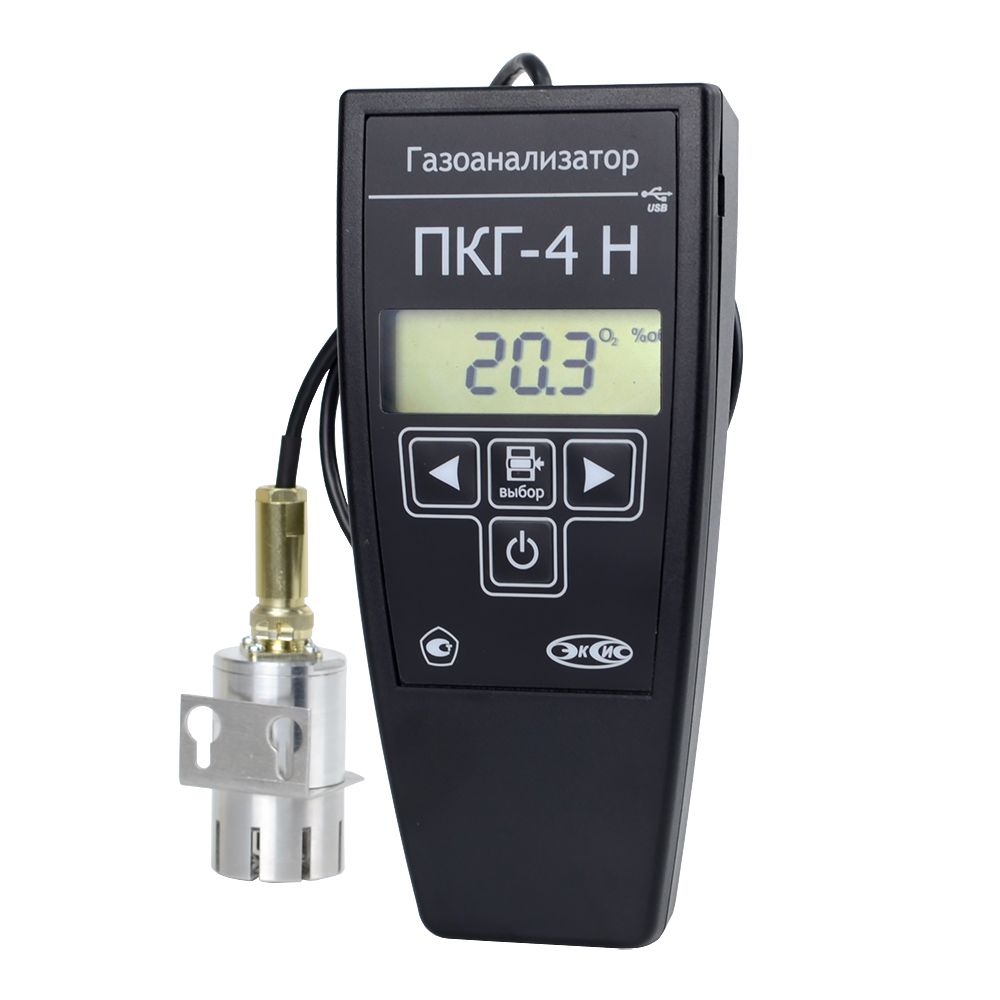
O2 Oxygen Gas Analyzers
Oxygen (O₂) gas analyzers measure the volume fraction of oxygen in air or a gas mixture. They are used to monitor air quality in work areas, check the atmosphere in confined spaces, and perform process measurements where O₂ concentration affects safety or the course of the process.
Portable oxygen gas analyzers are used for walk-around inspections and measurements at various locations. If continuous monitoring is required, stationary equipment is installed, which can measure O₂ alone or operate as part of a multi-component system alongside channels for other gases.
Why is the oxygen content in air and gas mixtures measured?
In normal atmospheric air, the oxygen content is approximately 20.9% by volume. For industrial facilities involved in the production, storage, and consumption of air separation products, the Safety Instructions approved by Order No. 294 of the Ministry of Emergency Situations of the Republic of Kazakhstan dated June 18, 2021, establish an O₂ concentration range of 19 to 23% by volume. With continuous automatic monitoring, the alarm system must activate if the oxygen concentration drops below 19% by volume or rises above 23%.
An O₂ gas analyzer detects changes in concentration before any external signs of danger appear. Such monitoring is particularly important before entering tanks, wells, containers, and other confined spaces. Oxygen there may be displaced by other gases or consumed as a result of chemical and technological processes.
In industrial settings, O₂ concentrations are also measured as a process parameter—for example, when monitoring combustion processes or the composition of a gas environment. In this case, the analyzer is selected based on the specific process requirements and measurement conditions.
If there is also a risk of toxic or flammable gases, a single O₂ channel is insufficient. For such applications, multi-component gas analyzers with the necessary set of measurement channels are used.
Portable and stationary oxygen analyzers
A portable model is chosen when measurements are taken at different locations or when an employee needs the device during a rounds. A stationary oxygen gas analyzer is installed where continuous monitoring is required in a specific area.
|
Gas Analyzer Type (O₂) |
How to apply |
What tasks is it suitable for |
|---|---|---|
|
Portable |
The analyzer is moved between monitoring points |
Periodic measurements, inspection of work areas, and testing of the atmosphere before entering a confined space |
|
Personal |
The employee carries the device with them while on the job |
Individual atmosphere control directly in the area where a person is located |
|
Stationary |
It is permanently installed at the monitoring point and performs continuous measurements |
Monitoring of production facilities, work areas, and process facilities |
Portable gas analyzers are battery-powered and use visual, audible, or vibrating alarms to warn of dangerous changes in concentration. The specific type of alarm depends on the model.
Stationary gas analyzers are designed for continuous operation. The measurement signal can be used in an alarm system or an industrial automation system. If the equipment supports the appropriate interfaces, the data is transmitted to a controller, an operator workstation, or a SCADA system.
How O2 Analyzers Work
The gas analyzer’s sensing element is responsible for the measurement. It responds to the oxygen content in the monitored environment, and the electronics convert the signal and calculate the O₂ concentration. The result is shown on the display or transmitted to a data acquisition system.
The measurement method depends on the equipment’s intended use. Several technologies are used in oxygen gas analyzers:
- Electrochemical sensors. These are widely used in portable devices and equipment for monitoring workplace air.
- Zirconia method (ZrO₂). Used in industrial gas analysis, including for monitoring oxygen in combustion processes and flue gases.
- Paramagnetic method. Used for continuous O₂ measurement in various process gas mixtures.
- Optical methods, including TDLS. These are used in industrial gas analysis when this technology is suitable for the composition and conditions of the monitored environment.
The measurement method should not be selected based solely on the concentration range. It is necessary to know the composition of the gas mixture and the actual conditions at the monitoring point; for some equipment, the specifics of sample collection and preparation must also be taken into account.
The measurement results from a portable gas analyzer are displayed on its own screen, and an alarm is triggered when a preset threshold is reached. Stationary gas analyzers transmit data to the facility’s control system and are used in emergency alarm algorithms.
How to Choose an Oxygen Gas Analyzer
The first question to consider when making a selection is where and how the oxygen concentration will be measured. One type of equipment is needed for periodic air testing, while another is required for personal monitoring of employees. For continuous measurement of oxygen in process gas, the equipment requirements will be different.
|
Parameter |
What You Need to Consider |
|---|---|
|
Performance |
Portable, personal, or stationary device |
|
Measured Components |
Just O₂ or oxygen mixed with other gases |
|
Measurement range |
Consistency with Expected Concentrations and the Monitoring Objective |
|
Measurement Method |
Sensor or analyzer type, based on the monitored environment |
|
Alarm System |
Whether a warning is displayed and its type when set thresholds are reached |
|
Operating Conditions |
Temperature, Humidity, and Gas Environment Characteristics |
|
Explosion Protection |
Is it necessary to operate the equipment in a potentially explosive atmosphere |
|
Data Transfer |
Is a connection to a controller, workstation, SCADA system, or other external system required |
For portable models, battery life, weight, and ease of use on-site are also important factors. For a stationary gas analyzer, the installation location and the method of transmitting the measurement signal are determined in advance.
If, in addition to oxygen, it is necessary to monitor toxic or flammable components, a multi-channel gas analyzer with the required set of measurement channels is selected instead of a single-component analyzer.
Scope of Application
One of the main tasks is monitoring the air in work zones at industrial facilities, where oxygen levels may fluctuate during the production process or when handling various gases.
A separate area of focus is confined spaces. Before performing work inside a tank, well, container, or other confined space, the actual composition of the atmosphere is checked. Portable instruments are used for this purpose, including multi-component analyzers if simultaneous monitoring of O₂, toxic, or flammable gases is required.
Stationary analyzers are installed at fixed monitoring points—in production facilities and near process equipment. They continuously measure O₂, and the data is received by an operator or an automation system.
In process gas analysis, oxygen is monitored in flue gases and process gases, combustion processes, and other gaseous environments. The type of analyzer and measurement method are selected based on the characteristics of the specific process environment.
Oxygen Gas Analyzers at Promanalit
Promanalit supplies portable and stationary analyzers for measuring oxygen content in air and gas mixtures. The equipment is selected to meet specific needs—ranging from periodic workplace inspections to continuous process monitoring.
The gas analyzers we supply are listed in the State Register of Measuring Instruments of the Republic of Kazakhstan and are delivered with initial verification. When selecting equipment, we take into account the metrological requirements for its use within the Republic of Kazakhstan.
Promanalit provides maintenance services for gas analysis equipment, as well as verification and calibration of measuring instruments. The company has its own verification laboratory and service department.