
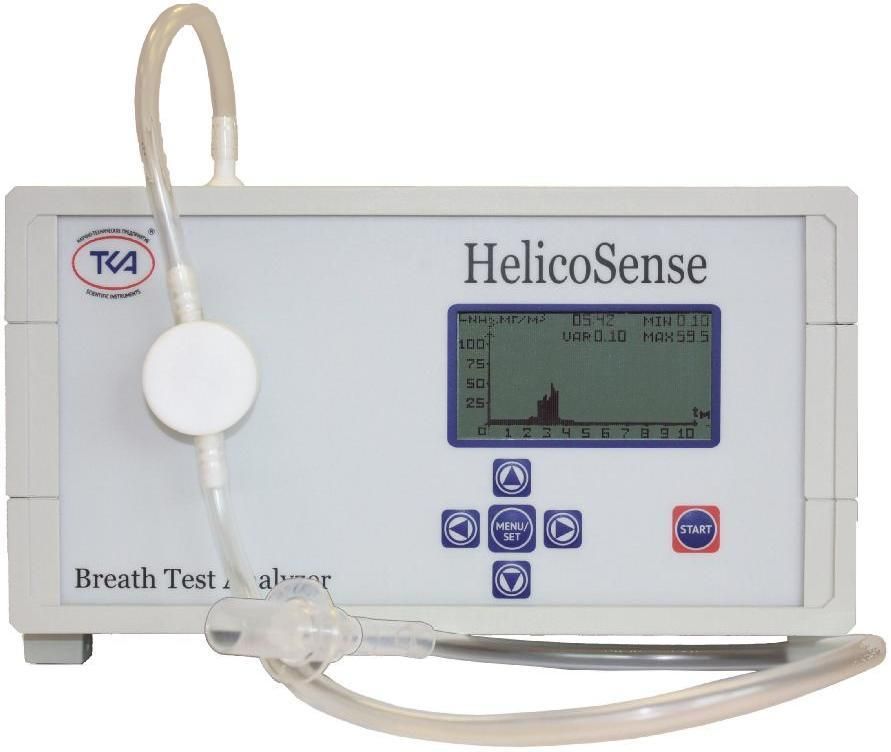
NH₃ Ammonia Gas Analyzers
Ammonia gas analyzers are designed to monitor NH₃ levels in the air and promptly detect hazardous concentrations of the gas. The equipment is used at industrial facilities, in refrigeration systems, in the chemical and food industries, in agriculture, as well as in utility rooms and confined spaces.
All ammonia gas analyzers supplied by Promanalyt are listed in the State Register of Measuring Instruments of the Republic of Kazakhstan and hold valid certificates. The equipment is delivered with initial calibration, which is performed by Promanalyt specialists in the company’s own accredited laboratory.
Applications of NH₃ Gas Analyzers
Ammonia has a pungent odor and, at high concentrations, poses a health hazard to humans. Therefore, monitoring NH₃ levels is essential at facilities where the gas is used in industrial processes, stored, or may be released as a result of a leak.
Ammonia gas analyzers are used:
- at industrial facilities;
- in refrigeration units and industrial cooling systems;
- in the chemical and food industries;
- in agriculture, including poultry farms and livestock facilities;
- in areas where ammonia compounds are used or stored;
- in tunnels, wells, and other confined spaces before personnel are allowed entry;
- for organizing industrial environmental monitoring;
- for continuous monitoring of air quality in the work area;
- to detect leaks and prevent emergencies.
Depending on the facility’s specific needs, portable devices for rapid measurements or stationary systems for continuous air monitoring may be used.
Types of Ammonia Gas Analyzers
Stationary Gas Analyzers
Stationary devices are installed in production facilities, cold storage rooms, utility areas, and other locations where ammonia may be released. They provide continuous monitoring of gas concentrations and can be connected to the facility’s automation systems.
Stationary multi-channel systems allow for the simultaneous monitoring of multiple points. Depending on the configuration, data is displayed on a monitor, transmitted to a computer, or sent to a dispatch system. If a preset threshold is exceeded, the equipment emits a visual and audible alarm.
Portable Gas Analyzers
Portable analyzers are used for inspections, checking individual rooms, detecting leaks, and taking measurements before work begins. They are useful for professionals in occupational safety, industrial safety, environmental monitoring, and equipment maintenance.
When selecting a portable device, it is important to consider the measurement range, battery life, display type, and operating conditions.
Ammonia Threshold Values
When configuring NH₃ concentration monitoring systems, the following values may be used:
|
Ammonia concentration |
Ratio to the MPC |
|---|---|
|
20 mg/m³ |
1 MPC |
|
60 mg/m³ |
3 MPC |
|
500 mg/m³ |
25 MPC |
The alarm trigger thresholds are selected based on the equipment’s intended use, operating conditions, and the facility’s requirements. For facilities with an elevated risk of ammonia leaks, timely signal transmission, measurement stability, and the ability to connect to a central monitoring system are particularly important.
Technical Capabilities of Gas Analyzers
Depending on the model, ammonia gas analyzers may have the following functions and features:
- continuous measurement of NH₃ concentration;
- monitoring of one or more channels;
- a digital display showing current readings;
- visual and audible alarms;
- configurable warning and alarm thresholds;
- data transmission to a computer or an automated monitoring system;
- relay outputs for connecting ventilation, alarm systems, and other equipment;
- analog outputs of 0–5 or 4–20 mA;
- the ability to integrate into industrial environmental monitoring systems;
- operation in harsh industrial environments;
- design for stationary or portable use.
For operation at facilities in Kazakhstan, it is necessary to consider in advance the temperature, humidity, dust levels, vibrations, specific characteristics of the premises, and the required protection rating for the equipment.
How to Choose an Ammonia Gas Analyzer
Before purchasing, you need to determine the intended use of the device:
- Stationary gas analyzers or multichannel systems are suitable for continuous monitoring.
- Portable analyzers are more convenient for inspections and checking rooms.
- For refrigeration systems, it is important to consider potential leak locations and the need to connect an external alarm.
- For environmental monitoring, choose equipment with appropriate measurement ranges, output signals, and a complete set of documentation.
- For work in confined spaces, compact size, battery-powered operation, reliable alarms, and the ability to take measurements quickly are essential.
You should also pay attention to the measurement range, accuracy, response time, number of channels, installation method, and whether the device has undergone initial calibration.
Gas Analyzers from Promanalit
Promanalit supplies ammonia gas analyzers to enterprises in Kazakhstan and helps select equipment based on the operating conditions and specific requirements of each facility.
All ammonia gas analyzers supplied are listed in the State Register of Measuring Instruments of the Republic of Kazakhstan, hold valid certificates, and are delivered with initial calibration performed by Promanalit specialists in the company’s own accredited laboratory.
The company’s specialists will help determine the appropriate type of equipment, the number of monitoring points, the required measurement ranges, alarm options, and the ability to connect to the facility’s monitoring system.